
A well-maintained roof plays a vital role in protecting a commercial property while supporting long-term performance and reliability. Consistent maintenance practices help prevent unexpected issues, improve structural durability, and reduce repair costs over time. Property owners who invest in routine care can enjoy greater confidence knowing their roofing system remains in excellent condition throughout the year.
Why Regular Roof Maintenance Matters
Routine maintenance provides several lasting advantages, including:
- Helps identify minor concerns before they become major repairs.
- Extends the overall lifespan of roofing materials.
- Supports dependable weather resistance.
- Promotes better drainage and moisture control.
- Reduces the likelihood of unexpected interruptions.
- Preserves the roof’s overall appearance.
- Encourages long-term cost savings.
- Enhances property value through proper upkeep.
Essential Commercial Roofing Maintenance Practices
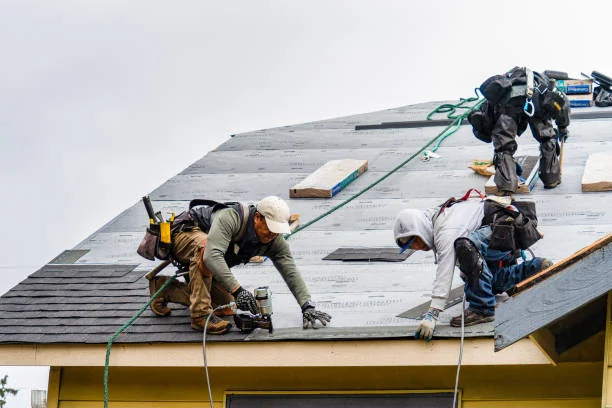
Following a structured maintenance plan helps maintain roof performance and durability.
- Schedule routine roof inspections.
- Remove leaves, dirt, and other debris.
- Keep drainage systems clear and functional.
- Check flashing for secure placement.
- Inspect seams for signs of separation.
- Monitor roof surfaces for wear.
- Repair minor damage promptly.
- Maintain rooftop equipment supports.
- Remove standing water whenever possible.
- Verify that roof access areas remain secure.
These simple actions contribute to stronger roofing performance throughout every season.
Benefits of Preventive Maintenance
Preventive care delivers valuable long-term advantages.
- Minimizes emergency repair situations.
- Helps maintain consistent roof performance.
- Protects insulation from moisture exposure.
- Improves energy efficiency by maintaining roof integrity.
- Supports a cleaner and safer working environment.
- Increases confidence in the building’s protection.
- Reduces long-term maintenance expenses.
- Encourages greater operational stability.
Property owners who learn more about commercial roofing often discover that proactive maintenance offers significant financial and structural benefits.
Signs That Maintenance Should Not Be Delayed
Recognizing early warning signs allows problems to be addressed quickly.
- Small cracks or surface damage.
- Water stains inside the building.
- Loose flashing components.
- Ponding water after rainfall.
- Clogged drainage pathways.
- Damaged sealant around roof features.
- Visible membrane wear.
- Debris accumulation.
- Minor punctures from rooftop activity.
- Unusual changes in roof appearance.
Early attention helps preserve roof performance while preventing unnecessary deterioration.
Building a Long-Term Maintenance Plan
An organized maintenance strategy supports dependable roof performance for many years.
- Create seasonal inspection schedules.
- Maintain detailed maintenance records.
- Perform visual checks after severe weather.
- Address repairs without delay.
- Keep roof surfaces clean year-round.
- Inspect rooftop penetrations regularly.
- Review drainage performance periodically.
- Monitor aging components for replacement planning.
- Encourage safe roof access procedures.
- Maintain consistent preventive care without interruption.
Conclusion
Consistent commercial roofing maintenance practices provide lasting protection, improved durability, and dependable performance. Routine inspections, timely repairs, regular cleaning, and preventive care work together to reduce future expenses while extending roof life. By following a proactive maintenance approach, commercial property owners can protect their investment, improve building reliability, and enjoy greater peace of mind through every stage of the roof’s service life.