Category: Business

Efficient Convention Center Parking Creates A Welcoming Guest Experience

A welcoming event experience begins before guests enter the main venue. Well-organized parking helps visitors arrive comfortably, locate suitable spaces, and reach the entrance without unnecessary confusion. Clear directions and thoughtful planning create a positive first impression.

  • Easy Navigation: Visible signs help drivers identify entrances, exits, and parking sections.
  • Convenient Access: Clearly marked routes make arrival simpler for first-time visitors.
  • Organized Movement: Proper traffic flow supports a calm and comfortable arrival.
  • Positive Impressions: A smooth parking experience encourages guests to begin their visit with confidence.

Planning Improves Parking Efficiency

Effective parking arrangements require careful coordination, especially when large gatherings bring many visitors together. Anticipating arrival patterns and allocating spaces thoughtfully helps reduce congestion while making the entire experience more convenient.

  • Space Allocation: Designated areas help accommodate different visitor needs.
  • Traffic Coordination: Planned vehicle movement supports steady entry and exit.
  • Arrival Management: Organized procedures help distribute incoming vehicles efficiently.
  • Accessible Options: Suitable parking arrangements improve convenience for guests with different mobility requirements.

Clear Information Supports Guest Confidence

Guests appreciate knowing where to park before reaching a busy event. Providing useful information in advance helps them prepare their journey, understand available options, and avoid unnecessary uncertainty during arrival.

  • Advance Guidance: Share parking instructions before the event begins.
  • Simple Directions: Use straightforward signs that are easy to understand.
  • Entrance Identification: Mark important access points for faster orientation.
  • Helpful Assistance: Friendly staff can guide visitors toward available spaces.

Convenient Parking Enhances Accessibility

A thoughtful parking layout considers the needs of every visitor. Comfortable walking routes, clearly identified accessible spaces, and convenient connections to event entrances help create an inclusive environment where guests can focus on enjoying their visit.

  • Accessible Spaces: Place designated parking areas where permitted access is convenient.
  • Safe Walkways: Maintain clear pedestrian routes between parking and entrances.
  • Comfortable Connections: Provide understandable paths to registration and event facilities.
  • Visitor Support: Offer helpful directions for guests who need additional assistance.

Smart Preparation Creates Better Event Days

Preparation plays an important role in maintaining a welcoming atmosphere throughout an event. Reviewing expected attendance, coordinating parking personnel, and communicating useful details can help organizers manage busy periods more effectively.

  • Attendance Forecasting: Estimate parking demand based on expected visitor numbers.
  • Staff Coordination: Assign clear responsibilities to parking attendants.
  • Peak-Time Planning: Prepare for busy arrival and departure periods.
  • Regular Monitoring: Check traffic movement and respond promptly to changing conditions.

Choosing Convenient Parking Resources

Visitors can benefit from reviewing parking information before attending a major gathering. Exploring https://www.aplusexpo.com/mandalay-bay-convention-center-parking/ can help them consider parking arrangements and plan their visit with greater confidence. Reliable parking information supports better preparation, while practical arrangements make arrivals and departures feel more manageable. When convenience, accessibility, and organization work together, parking becomes a valuable part of the overall guest experience. Ultimately, efficient convention center parking contributes to a welcoming environment where visitors feel supported from arrival to departure. Careful planning, clear communication, and guest-focused facilities help create enjoyable events and encourage positive memories.

Professional Development Courses Strengthen Practical Industrial Safety Expertise

Building strong industrial safety expertise requires practical knowledge, clear procedures, and confidence in applying safe working principles. Professional development courses provide structured opportunities for employees to strengthen their understanding of workplace safety while developing skills that support efficient and responsible operations.

Developing Practical Safety Knowledge

Professional training helps participants connect safety concepts with everyday industrial activities. Practical learning encourages employees to understand procedures clearly and apply them confidently during routine tasks and changing operational conditions.

  • Builds strong safety awareness
  • Develops practical workplace knowledge
  • Encourages responsible work practices
  • Strengthens confidence during daily activities
  • Supports consistent safety decisions

Improving Equipment Safety Awareness

Industrial equipment requires careful operation, inspection, and maintenance. Training can help employees understand important safety principles surrounding machinery and develop habits that support reliable and controlled equipment use.

  • Promotes careful equipment handling
  • Improves awareness of operational procedures
  • Encourages regular equipment checks
  • Supports responsible maintenance practices
  • Strengthens understanding of machine-related risks

Strengthening Risk Assessment Skills

Effective safety planning depends on recognizing potential hazards and understanding suitable preventive measures. Professional development courses can provide practical approaches for evaluating workplace conditions and supporting thoughtful risk management.

  • Improves hazard recognition
  • Encourages structured risk assessment
  • Supports preventive safety planning
  • Develops practical problem-solving skills
  • Promotes informed workplace decisions

Enhancing Technical Understanding

Strong technical knowledge allows employees to approach industrial tasks with greater confidence and consistency. Training can introduce useful principles related to equipment operation, workplace procedures, and safe interaction with industrial systems.

  • Develops technical awareness
  • Strengthens understanding of safety principles
  • Encourages accurate procedure application
  • Improves confidence with technical tasks
  • Supports continuous learning

Encouraging Safe Working Habits

Consistent safety habits contribute to dependable workplace performance. Professional courses reinforce the value of following procedures, communicating clearly, and maintaining careful attention throughout industrial activities.

  • Encourages disciplined work routines
  • Promotes clear safety communication
  • Supports careful task preparation
  • Reinforces responsible behavior
  • Builds positive safety habits

Supporting Machine Safety Expertise

Focused learning can help employees better understand machine operation and protective practices. For learners seeking structured guidance, Machineveiligheid training Haarlem can represent a useful area of professional development focused on strengthening practical machine safety knowledge.

  • Improves machine safety awareness
  • Encourages careful operating practices
  • Supports understanding of protective measures
  • Develops inspection awareness
  • Promotes confident equipment interaction

Building Stronger Team Collaboration

Safety becomes more effective when employees share consistent knowledge and communicate effectively. Professional development courses can create common learning foundations that encourage cooperation and shared responsibility across teams.

  • Improves workplace communication
  • Encourages shared safety responsibility
  • Supports coordinated activities
  • Promotes knowledge sharing
  • Strengthens teamwork

Supporting Continuous Improvement

Professional learning provides employees with opportunities to refresh existing knowledge and develop new capabilities. Regular development encourages a positive approach to improving safety practices and operational performance.

  • Encourages ongoing learning
  • Supports updated safety knowledge
  • Builds adaptable professional skills
  • Promotes process improvement
  • Strengthens long-term confidence

Creating Safer Industrial Practices

Professional development courses connect knowledge, practical skills, and responsible decision-making. By strengthening safety expertise, employees can contribute positively to organized operations, confident teamwork, and dependable workplace practices.

  • Promotes consistent safety performance
  • Strengthens practical expertise
  • Encourages proactive thinking
  • Supports efficient operations
  • Builds a positive safety culture

Professional development courses offer valuable opportunities to strengthen practical industrial safety expertise. Through focused learning, employees can improve technical understanding, risk awareness, equipment knowledge, communication, and everyday safety practices, creating a stronger foundation for confident and responsible industrial performance.

Choosing Valve Configurations Improves System Efficiency And Dependable Performance

Selecting an appropriate valve configuration helps fluid control systems achieve smooth operation, dependable performance, and efficient flow management. The right arrangement can support accurate control of flow direction, pressure, and operating conditions. Careful selection also helps systems maintain consistent performance while matching the specific requirements of each application.

Understanding Valve Configurations

Valve configurations differ according to operating principles, port arrangements, default positions, and application requirements. Understanding these characteristics makes it easier to select a suitable configuration for reliable fluid control.

  • Two-way designs support straightforward flow control.
  • Three-way designs provide flow diversion or mixing.
  • Four-way configurations manage directional flow.
  • Five-way arrangements support pneumatic control.
  • Normally open and normally closed options provide different operating states.

Matching Flow Requirements

Flow requirements play an important role in selecting the appropriate valve arrangement. Pressure, flow rate, and opening size should work together to support efficient operation and consistent system performance.

Important considerations include:

  • Required fluid flow rate.
  • Operating pressure range.
  • Appropriate orifice size.
  • Desired flow direction.
  • Required response characteristics.

Selecting Operating Principles

Different operating principles provide useful advantages for different conditions. Direct-acting, pilot-operated, and semi-direct-acting designs can support different pressure, flow, and response requirements.

A suitable operating principle can provide:

  • Reliable switching performance.
  • Appropriate pressure handling.
  • Efficient fluid management.
  • Suitable response speed.
  • Consistent operational control.

Considering Default Valve Positions

The default position determines how a valve behaves when its coil is not energized. Normally closed configurations remain closed without power, while normally open configurations remain open, making this characteristic important for system design.

Selection can consider:

  • Desired power-off condition.
  • Required safety behavior.
  • Normal operating flow.
  • Shutdown requirements.
  • Automatic control preferences.

Supporting System Efficiency

A well-matched configuration can help minimize unnecessary flow restrictions while supporting accurate fluid management. Choosing suitable ports, operating principles, and sizing contributes to smooth operation and effective resource use.

Efficiency can be supported through:

  • Correct valve sizing.
  • Suitable flow capacity.
  • Appropriate pressure matching.
  • Efficient electrical operation.
  • Consistent switching performance.

Improving Dependable Performance

Reliable operation depends on selecting valve characteristics that match the surrounding system. Media compatibility, temperature, pressure, electrical requirements, connection size, and operating environment are important selection factors.

Dependable performance can benefit from:

  • Compatible materials and seals.
  • Correct electrical specifications.
  • Suitable connection types.
  • Appropriate environmental protection.
  • Regular inspection and cleaning.

Making Informed Configuration Choices

A useful reference for understanding different solenoid valve arrangements is https://www.vincervalve.com/solenoid-valve-types/, which describes configurations based on operating principles, ports, default states, materials, and specialized requirements.

A structured selection process can consider:

  • Fluid characteristics.
  • Temperature requirements.
  • Pressure conditions.
  • Flow capacity.
  • Installation environment.

Building Efficient Fluid Control

Choosing the right valve configuration creates a strong foundation for efficient and dependable fluid control. When operating principles, port arrangements, sizing, materials, and electrical requirements are carefully matched, systems can achieve smooth performance and consistent operation. Thoughtful configuration selection ultimately supports reliable fluid management, efficient processes, and long-term system value.

Reliable Drain Cleaning For Comfortable Household Routines

Smooth drainage plays an important role in keeping household routines comfortable, organized, and enjoyable. Clean, freely flowing drains help water move efficiently through sinks, showers, tubs, and other fixtures. Regular attention to drainage systems can support dependable performance while creating a cleaner and more pleasant living environment.

Supporting Smooth Water Flow

Drain cleaning helps remove buildup that can gradually affect normal water movement. Routine care keeps drainage pathways clearer and encourages consistent performance throughout the household. Professional attention can also provide a practical way to maintain plumbing efficiency.

Key benefits include:

  • Smoother water movement
  • Cleaner drainage pathways
  • Improved fixture performance
  • More convenient daily routines
  • Greater household comfort

When drainage receives timely care, everyday activities can feel easier. Water can move away efficiently, helping sinks and bathing areas remain ready for regular use.

Encouraging Cleaner Drainage

Accumulated residue can develop inside drainage pathways over time. Thorough cleaning helps refresh these areas and supports better overall system performance. With dependable service, homeowners can maintain cleaner drains and enjoy greater confidence in their household plumbing.

Plumbers Hopkinsville KY

Helpful advantages include:

  • Reduced buildup
  • Fresher drainage areas
  • Better water movement
  • Consistent household convenience
  • Easier plumbing maintenance

Choosing experienced Plumbers Hopkinsville KY can provide useful support when maintaining dependable drain performance and comfortable household routines.

Protecting Everyday Convenience

A well-maintained drainage system contributes to a more comfortable home. Showers, sinks, and tubs can perform more effectively when drainage pathways remain clear. Regular cleaning also supports a proactive approach to household care, helping plumbing systems remain prepared for everyday demands.

Simple maintenance goals can include:

  • Scheduling routine drain cleaning
  • Watching for slower water flow
  • Keeping fixtures clean
  • Addressing minor drainage changes early
  • Maintaining consistent household care

These steps can make drainage maintenance feel straightforward and manageable. A clean system provides a strong foundation for smooth household activities.

Creating Long-Term Plumbing Comfort

Reliable drain cleaning is more than an occasional improvement. It can become part of a practical home maintenance routine that supports dependable plumbing performance. Thorough attention to drainage pathways helps encourage efficient water movement and contributes to a pleasant household environment.

Positive results may include:

  • Improved drainage efficiency
  • Greater daily comfort
  • Cleaner plumbing pathways
  • Better fixture usability
  • Convenient maintenance planning

Consistent care can help households enjoy reliable drainage across changing daily needs. By giving attention to cleanliness and flow, homeowners can support a plumbing system that works smoothly and comfortably.

A Practical Routine For Better Living

Clean drains contribute to an organized and comfortable home. Regular professional cleaning, thoughtful maintenance habits, and timely attention can work together to support efficient drainage. With dependable care, households can enjoy smoother water flow and greater convenience throughout their everyday routines.

Dunkin Sizes Compared For Hot And Iced Beverage Preferences

Choosing the right beverage size can make every coffee break feel more satisfying. Hot and iced drinks offer different drinking experiences, so understanding how serving sizes relate to temperature, ice, flavor intensity, and refreshment can help create a more enjoyable choice. A size comparison also makes it easier to match a beverage with your appetite and routine.

Exploring Beverage Size Choices

Different cup sizes provide flexibility for different preferences. Smaller servings can deliver a focused flavor experience, while larger options provide more volume for longer enjoyment.

  • Small sizes suit quick coffee breaks and lighter refreshment.
  • Medium sizes offer a balanced amount for everyday enjoyment.
  • Large sizes provide extended sipping for longer occasions.
  • Extra-large options can support generous beverage preferences.

Hot Beverage Preferences

Hot beverages are often appreciated for their warmth, aroma, and comforting character. Choosing a suitable size can preserve the enjoyable balance between temperature and drinking time while providing the desired amount of coffee or other warm refreshment.

  • Smaller cups can help maintain a comfortably warm serving.
  • Medium cups provide a satisfying balance of volume and warmth.
  • Larger cups allow a longer, more relaxed sipping experience.
  • Bigger servings are useful when more beverage is preferred.

Iced Beverage Preferences

Iced beverages create a cool, refreshing experience with a naturally different serving dynamic. Since ice occupies part of the cup, selecting a size thoughtfully can help provide the preferred combination of drink volume and refreshing texture.

  • Smaller sizes work well for a quick cooling refreshment.
  • Medium servings provide a versatile balance for regular enjoyment.
  • Large sizes offer more volume for extended sipping.
  • Larger cups can complement longer activities or breaks.

Comparing Hot and Iced Sizes

A useful size comparison considers more than the cup itself. Temperature, ice, drinking speed, and desired beverage quantity all influence how a serving feels from the first sip to the last.

  • Hot drinks emphasize warmth and aroma throughout the serving.
  • Iced drinks emphasize cooling refreshment and crisp enjoyment.
  • Hot beverages may feel more substantial at the same nominal size.
  • Iced beverages can provide a lighter, more refreshing sensation.
  • The best size depends on the experience a person wants.

Making a More Confident Selection

A clear size guide can simplify ordering and make choices more consistent. For additional reference, https://www.yoonpak.com/dunkin-sizes/ can support a closer look at common serving-size comparisons and help readers understand how different options relate to one another.

  • Consider whether the drink is hot or iced before choosing.
  • Think about how long you want to enjoy the beverage.
  • Match the serving with your thirst and routine.
  • Consider ice preferences when selecting an iced option.
  • Choose a size that feels comfortable for the occasion.

Enjoying Every Serving

Beverage sizes are designed to offer practical flexibility, making it easier to select an option that fits the moment. Whether the preference is a warm, aromatic drink or a cool, refreshing beverage, thoughtful size selection can enhance satisfaction and create a more enjoyable everyday experience.

Exploring Different Techniques For Consistent Graphic Reproduction

Modern packaging and commercial print production rely on techniques that can reproduce graphics clearly, efficiently, and consistently across large quantities. Two established approaches, lithographic and flexographic printing, and offer distinct ways to transfer images while supporting dependable visual results. Understanding their processes makes it easier to match a project with suitable production requirements.

Understanding Lithographic Printing

Lithographic printing uses an offset process in which the image is transferred from a plate to a rubber blanket and then onto the printing surface. This indirect method supports fine details, smooth tonal transitions, and precise graphic reproduction, making it useful for projects where visual refinement is important.

For those comparing production methods, https://www.ketegroup.com/litho-vs-flexo/ can provide a useful starting point for understanding how the two approaches differ.

Key strengths of lithographic printing include:

  • Sharp reproduction of detailed artwork
  • Smooth gradients and photographic imagery
  • Consistent color results on suitable paper and board
  • Strong suitability for high-quality flat-sheet applications

Exploring Flexographic Printing

Flexographic printing uses flexible relief plates that transfer ink directly onto the substrate. An anilox roller helps control the amount of ink delivered to the plate, supporting stable coverage and repeatable results. The process can work with a broad selection of packaging materials, including paper, films, labels, and corrugated substrates.

Its practical advantages include:

  • Efficient continuous production
  • Adaptability to different substrates
  • Strong solid-color reproduction
  • Compatibility with various packaging formats
  • Effective support for medium and large production runs

Comparing Graphic Reproduction Techniques

Lithographic and flexographic printing both contributes to dependable graphic production, but their operating principles create different strengths. Lithography is well suited to smooth surfaces and detailed artwork, while flexography provides greater material flexibility and direct printing capabilities.

When selecting between them, production teams can consider several factors:

  • Substrate: Identify whether the project uses paper, board, film, foil, or another material.
  • Artwork detail: Consider photographs, gradients, fine text, and solid graphics.
  • Production volume: Match the printing approach with the required quantity and workflow.
  • Color requirements: Review the number of colors, coverage, and consistency expectations.
  • Finishing needs: Consider coating, laminating, cutting, folding, or other downstream operations.

Supporting Consistent Results

Consistency depends on more than the printing method itself. Accurate prepress preparation, suitable plates, controlled ink application, correct registration, and regular press monitoring all contribute to reliable reproduction. Matching artwork settings with the chosen process also helps maintain clarity from the first impression through the final production run.

Choosing A Suitable Approach

Lithographic and flexographic printing each provides valuable capabilities for modern graphic production. Lithography can support detailed, polished imagery on appropriate flat materials, while flexography offers versatility and efficient production across diverse packaging substrates. By evaluating artwork, material, volume, color needs, and finishing requirements together, production teams can select a technique that supports consistent and attractive results.

Improve Production With A Reliable Can Seamer Machine

A reliable can seamer machine can strengthen packaging operations by creating secure, consistent, and efficient seals across production runs. With dependable sealing performance, businesses can improve workflow, maintain attractive packaging quality, and support steady output. Selecting suitable equipment also helps align sealing capacity with production requirements, while practical automation can reduce repetitive manual effort. For additional guidance on machine functions and selection considerations, https://www.levapack.com/guide-to-can-seamer-machines/ can provide useful reference information.

Improve Sealing Consistency

Consistent seams are essential for dependable packaging results. A well-designed can seamer supports accurate lid placement and controlled sealing pressure.

  • Creates uniform seams across repeated production cycles
  • Helps maintain secure container closure
  • Supports neat and professional package appearance
  • Reduces variation between finished cans
  • Encourages reliable packaging quality

Increase Production Efficiency

Seamer Machine

Efficient equipment can help production teams maintain a smoother packaging flow. Automated movement and organized sealing stages allow operations to handle more containers with less interruption.

  • Supports continuous production movement
  • Reduces repetitive manual handling
  • Helps maintain steady output
  • Improves workflow coordination
  • Makes better use of operator time
  • Supports higher production requirements

Strengthen Product Protection

A dependable seal helps protect packaged contents while supporting the overall quality of the finished product. Properly formed seams can contribute to secure closure and reliable package integrity.

  • Helps minimize leakage risks
  • Supports protection from outside contaminants
  • Maintains secure lid attachment
  • Promotes dependable package integrity
  • Supports confidence in finished packaging
  • Helps maintain consistent closure quality
  • Helps preserve product presentation

Support Flexible Packaging Needs

Production requirements can vary by container size, material, product type, and desired output. A suitable can seamer can provide valuable flexibility for changing packaging demands.

  • Accommodates different production volumes
  • Supports suitable container formats
  • Offers manual, semi-automatic, or automatic operation options
  • Can support different machine configurations
  • Provides opportunities for future capacity improvements

Simplify Daily Operations

A practical machine design can make routine production activities more organized and manageable. Proper setup, regular checks, and dependable components contribute to smooth performance.

  • Makes sealing stages easier to coordinate
  • Supports straightforward production routines
  • Helps operators maintain consistent processes
  • Encourages organized equipment maintenance
  • Supports dependable day-to-day operation

Build Long-Term Packaging Value

Investing in reliable sealing equipment can provide lasting operational benefits. Strong construction, suitable capacity, and upgrade potential can help packaging operations remain productive as requirements grow.

  • Supports stable long-term performance
  • Helps reduce avoidable production interruptions
  • Encourages efficient resource utilization
  • Provides room for production expansion
  • Enhances overall packaging productivity

A reliable can seamer machine brings together consistent sealing, efficient operation, product protection, and production flexibility. By selecting equipment that matches current needs while allowing future growth, businesses can create a smoother packaging process and maintain positive results across every production cycle.

Choosing a Builder You Can Trust: A Homeowner’s Checklist

Knowing that trust matters when choosing a builder is one thing. Actually knowing what to check, or what to ask when you’re sitting across from a builder for the first time, is another challenge entirely. This checklist is designed to be practical and genuinely usable, a set of concrete steps to work through when evaluating builders, rather than another general discussion of why trust matters.

Start with the Basics: Licensing and Credentials

Before getting drawn into design ideas or comparing quotes, it’s worth doing basic due diligence first. Before comparing quotes or design ideas, it’s worth doing basic due diligence, checking a builder’s licensing status, reviewing examples of previous work, and looking at resources like www.jgcbuilders.com.au to understand how an established local builder presents their credentials and past projects.

This step matters more than it might seem. It’s easy to get swept up in an exciting design conversation and forget to confirm the basics, but starting with credentials first means you’re only comparing builders who’ve already cleared a genuine baseline, rather than getting emotionally invested in a design from someone whose licensing or track record doesn’t hold up under scrutiny.

Questions to Ask During an Initial Consultation

A good initial consultation is your chance to ask the questions that actually matter before committing to anything. Worth covering:

  • How are delays communicated? Ask specifically how and when you’ll be told if something is running behind schedule, rather than accepting a vague “we’ll keep you updated.”
  • What’s included in the quote, and what’s an additional cost? Get clarity on this early, since scope creep and unexpected extras are one of the most common sources of frustration during a build.
  • Who will be the main point of contact throughout the project? Understand whether you’ll be dealing with the same person consistently or passed between different staff as the project progresses.
  • What does the warranty or defect period actually cover? Ask for specifics rather than a general assurance, including how long it lasts and what the process looks like if an issue arises.

The way a builder answers these questions, clearly and directly, or vaguely and defensively, often tells you as much as the actual answers themselves.

What to Look for in a Written Quote

A trustworthy, detailed quote should include a few key elements. Look for itemised costs broken down by category, rather than a single lump sum figure that leaves little room to understand what you’re actually paying for. Clear inclusions and exclusions should be spelled out explicitly, so there’s no ambiguity later about what was or wasn’t part of the original agreement. A payment schedule tied to specific project milestones, rather than arbitrary dates, gives you more confidence that payments align with actual progress. And a defined process for handling variations or changes, what happens if you want to alter something mid-project, and how that’s costed and documented, should be clearly outlined upfront rather than figured out on the fly later.

Red Flags Worth Taking Seriously

A few warning signs are worth treating seriously rather than explaining away. Reluctance to provide licensing details, or vague, evasive answers when asked directly, is a significant red flag. Pressure to sign quickly, particularly if it’s framed around a limited-time discount or urgency that doesn’t quite make sense, should raise suspicion rather than excitement. Vague or verbal-only quotes, without anything provided in writing, leave you with little recourse if disputes arise later. And an unwillingness to provide references or examples of past work, especially work in your local area, suggests there may be little to actually show.

None of these signs alone is necessarily conclusive, but more than one appearing together is a strong signal to keep looking elsewhere.

Moving Forward with Genuine Confidence

A bit of structured diligence upfront, checking credentials, asking the right questions during that first consultation, and scrutinising the written quote carefully, makes it far easier to move forward with genuine confidence in a builder, rather than hoping for the best once the project is already underway. Keep this checklist on hand as you work through your shortlist, and let the answers, or lack of them, guide your decision as much as the design ideas themselves.

Restore Aging Furnishings With Modern Repair Techniques

Aging furniture often carries unique character, craftsmanship, and memories that make it worth preserving. Modern repair techniques can refresh these treasured pieces while improving their strength, comfort, and appearance. Rather than changing everything, thoughtful restoration focuses on identifying what can be retained and enhancing it with suitable repair methods. From wooden tables and cabinets to chairs and decorative furnishings, careful attention can bring renewed beauty to well-loved pieces.

For homeowners seeking dependable solutions for furniture care and related service needs, https://www.pos-sg.com/ POS Service group can naturally complement a modern approach to maintaining valuable furnishings.

Begin With A Careful Furniture Assessment

A successful restoration starts by understanding the condition and construction of each piece. This allows repair work to focus on the areas that need attention while preserving attractive original features.

Important areas to review include:

  • Loose joints that can be strengthened for improved stability
  • Scratches and surface marks that can receive careful touch-ups
  • Veneer sections that can be reattached or neatly replaced
  • Faded finishes that can be refreshed to highlight natural character
  • Upholstery that can be renewed for greater comfort

Modern Techniques Improve Structural Strength

Today’s repair methods provide practical ways to reinforce furniture without compromising its overall design. Loose wooden joints can be carefully cleaned, rejoined, and secured, helping tables and chairs regain dependable stability. Small cracks, chips, and worn edges can also be repaired using suitable materials that blend with the original construction.

Modern tools make it easier to achieve precise results while maintaining the proportions and character of older furnishings. This combination of traditional craftsmanship and updated techniques creates a balanced restoration process.

Refresh Surfaces With A Refined Finish

Surface restoration can make a remarkable difference to aging furniture. Gentle cleaning removes accumulated residue, while suitable polishing and finishing methods can bring warmth back to wooden surfaces. Minor scratches and faded areas can be blended so the furniture looks refreshed without losing its distinctive character.

A refreshed finish can also provide an additional protective layer, helping the piece remain attractive during everyday use.

Restore Comfort Alongside Appearance

Furniture restoration does not need to focus only on wood and finishes. Chairs, benches, and sofas can benefit from renewed padding, supportive materials, and fresh upholstery. Updating these elements can make familiar furniture more comfortable while retaining its original shape and style.

This approach is especially useful for pieces that remain visually appealing but need improved everyday usability.

Enjoy Furniture With Renewed Character

Modern repair techniques offer an encouraging way to extend the usefulness and beauty of aging furnishings. With careful assessment, structural improvements, surface renewal, and comfort upgrades, older pieces can become attractive additions to contemporary interiors.

The result is furniture that feels refreshed while continuing to reflect the character that made it special in the first place. Thoughtful restoration allows homeowners to enjoy familiar designs for longer and create spaces where craftsmanship, practicality, and timeless appeal work beautifully together.

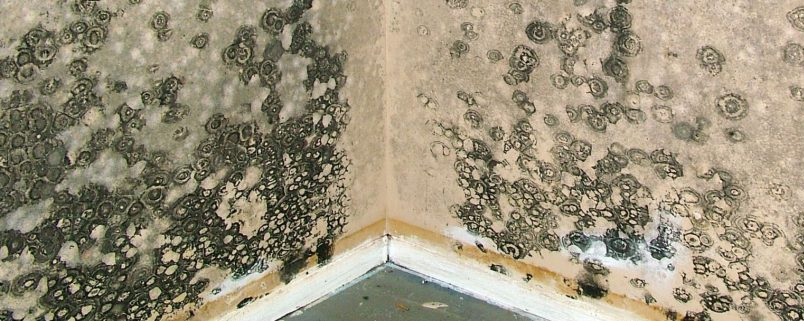
Trusted Mould Removal Experts Deliver Positive Results For Properties

Maintaining a clean and inviting property becomes easier when mould concerns receive careful and professional attention. A thorough removal approach can refresh affected areas, improve overall cleanliness, and create a more comfortable environment. Trusted specialists focus on detailed work and practical solutions that support positive results.

Professional Assessment Supports Better Outcomes

A careful assessment provides a strong foundation for effective mould management. Understanding affected areas and surrounding conditions helps create an organised approach that addresses visible concerns while supporting lasting cleanliness.

  • Identifies affected areas: Detailed inspections help locate visible mould and areas requiring focused attention.
  • Reviews moisture conditions: Recognising moisture-prone spaces supports sensible maintenance decisions.
  • Examines surrounding surfaces: Nearby materials can be considered to encourage comprehensive treatment.
  • Creates an organised plan: A structured process makes each stage clear and efficient.
  • Supports consistent care: Thorough assessment encourages dependable results across the property.

Skilled Treatment Enhances Indoor Cleanliness

Mould Removal

Professional techniques allow affected spaces to receive careful and systematic treatment. With attention to surfaces, materials, and surrounding areas, the cleaning process can contribute to a fresher and more appealing indoor environment.

  • Targets visible mould carefully: Focused treatment helps improve the appearance of affected surfaces.
  • Handles different materials appropriately: Suitable methods support careful attention to various interior surfaces.
  • Promotes thorough cleaning: A systematic process encourages complete and consistent results.
  • Improves overall presentation: Cleaner surfaces can make rooms feel brighter and more welcoming.
  • Encourages greater comfort: Fresh surroundings can contribute to a pleasant everyday atmosphere.

Comprehensive Attention Creates Lasting Value

Effective mould management goes beyond visible cleaning by considering conditions that can influence future indoor cleanliness. Combining detailed treatment with sensible maintenance creates a positive foundation for maintaining attractive and comfortable spaces.

  • Encourages moisture control: Managing excess moisture supports cleaner surroundings.
  • Supports regular ventilation: Fresh airflow can help maintain balanced indoor conditions.
  • Promotes timely maintenance: Addressing minor concerns early can support long-term property care.
  • Protects interior appeal: Consistent attention helps preserve a neat and well-maintained appearance.
  • Builds confidence: Professional care provides reassurance that important areas have received focused attention.

Prevention Supports Continued Freshness

Positive results can be maintained through simple and consistent preventive habits. Regular observation and practical property care help create conditions that support cleanliness, comfort, and an inviting atmosphere throughout everyday living spaces.

  • Keep areas dry: Promptly drying damp surfaces helps maintain cleaner conditions.
  • Check moisture-prone spaces: Routine observation makes changes easier to notice.
  • Maintain airflow: Good circulation contributes to a fresher indoor environment.
  • Complete repairs promptly: Addressing moisture-related issues supports continued cleanliness.
  • Schedule regular care: Ongoing attention helps maintain a consistently pleasant property.

Professional Expertise Makes A Difference

Choosing Mould Removal Brisbane Experts can provide valuable support for maintaining cleaner and more appealing properties. Skilled attention combines careful assessment, effective treatment, and practical prevention to create positive improvements. With a comprehensive approach, property owners can enjoy greater confidence, improved presentation, and a comfortable environment suited to everyday activities. Professional mould management is a constructive investment in property care. By prioritising cleanliness, moisture awareness, detailed treatment, and ongoing maintenance, properties can remain welcoming and refreshed. Trusted expertise helps turn mould concerns into opportunities for improved indoor conditions and stronger long-term property upkeep.