Elegant Dutch Interior And Furniture Design Blends Style Functionality
Dutch interior and furniture design is admired for its balanced combination of elegance, comfort, and practicality. Carefully planned layouts, refined furnishings, and functional elements create inviting environments that support everyday living while maintaining a timeless and sophisticated appearance.
Functional Furniture Enhances Everyday Living
Beautiful furniture becomes even more valuable when it offers practical features alongside attractive design. Thoughtfully crafted pieces maximize comfort while helping maintain an organized and efficient living environment.
- Smart layouts improve daily convenience.
- Practical furniture supports multiple purposes.
- Comfortable designs encourage regular use.
- Well-planned arrangements maximize available space.
- Functional features simplify everyday routines.
Timeless Style Brings Lasting Appeal
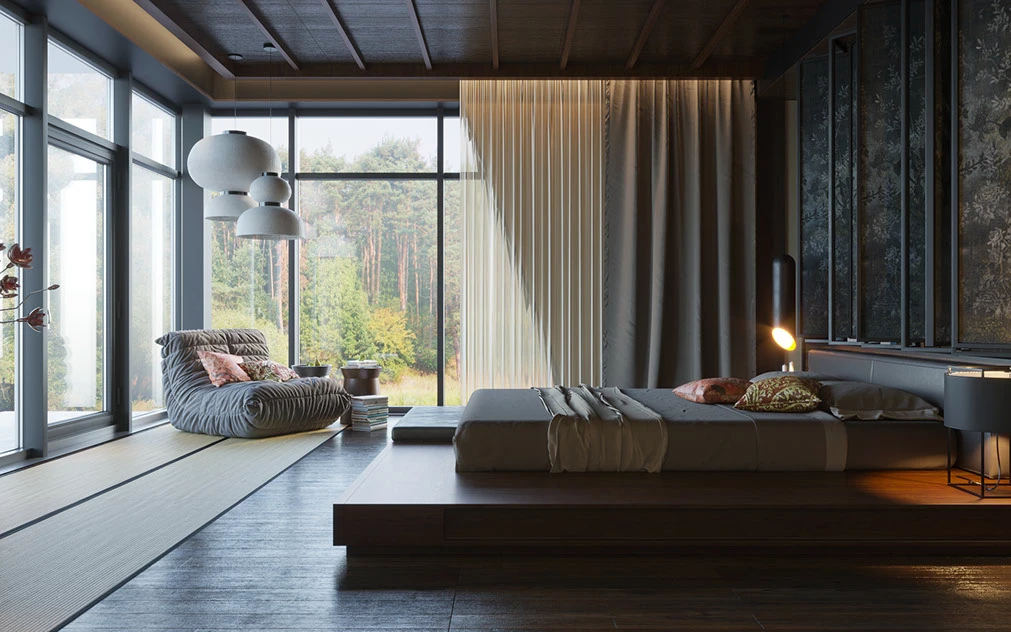
Elegant interiors remain attractive because they focus on clean lines, balanced proportions, and harmonious details. A timeless approach ensures the space continues to feel welcoming while adapting easily to changing decorative preferences.
- Clean designs create visual harmony.
- Refined details enhance overall elegance.
- Balanced layouts improve room flow.
- Neutral elements support versatile styling.
- Timeless craftsmanship offers lasting beauty.
Quality Craftsmanship Improves Durability
Carefully crafted furniture combines attractive appearance with dependable construction. Strong materials and precise workmanship contribute to lasting performance while preserving comfort and style through years of everyday use.
- Durable construction supports long-term value.
- Fine craftsmanship enhances reliability.
- Smooth finishes improve visual appeal.
- Stable designs encourage everyday comfort.
- Thoughtful details increase overall quality.
Robuust represents the importance of dependable craftsmanship that combines strength, elegance, and functionality to create furniture that delivers lasting comfort and refined style.
Organized Interiors Promote Relaxation
A well-organized interior contributes to a peaceful atmosphere by reducing clutter and improving functionality. Practical furniture placement and coordinated design elements create comfortable surroundings that encourage relaxation and productivity.
- Organized layouts improve accessibility.
- Smart storage supports tidy spaces.
- Comfortable furnishings create inviting rooms.
- Balanced arrangements encourage peaceful living.
- Efficient organization simplifies daily activities.
Versatile Designs Support Modern Lifestyles
Flexible furniture and adaptable interior arrangements allow living spaces to meet changing needs with ease. Practical design choices improve convenience while maintaining a refined appearance suitable for everyday enjoyment.
- Adaptable furniture supports different activities.
- Flexible arrangements improve room usability.
- Practical features encourage convenience.
- Comfortable designs suit changing routines.
- Elegant styling maintains lasting charm.
Conclusion
Elegant Dutch interior and furniture design successfully blends style and functionality through thoughtful planning, quality craftsmanship, and practical living solutions. Beautiful furnishings, organized layouts, and versatile designs create welcoming spaces that promote comfort and efficiency without sacrificing visual appeal. By combining timeless elegance with dependable construction and everyday practicality, these interiors provide lasting value, enhance relaxation, support organized living, and deliver a refined environment that remains comfortable, attractive, and functional for years to come.